
For years, the iPad has been the gold standard in tablets. It’s polished, powerful, and backed by an ecosystem that just works. Whether it’s media consumption, note-taking, or even light productivity, the iPad delivers a refined experience that’s hard to beat.
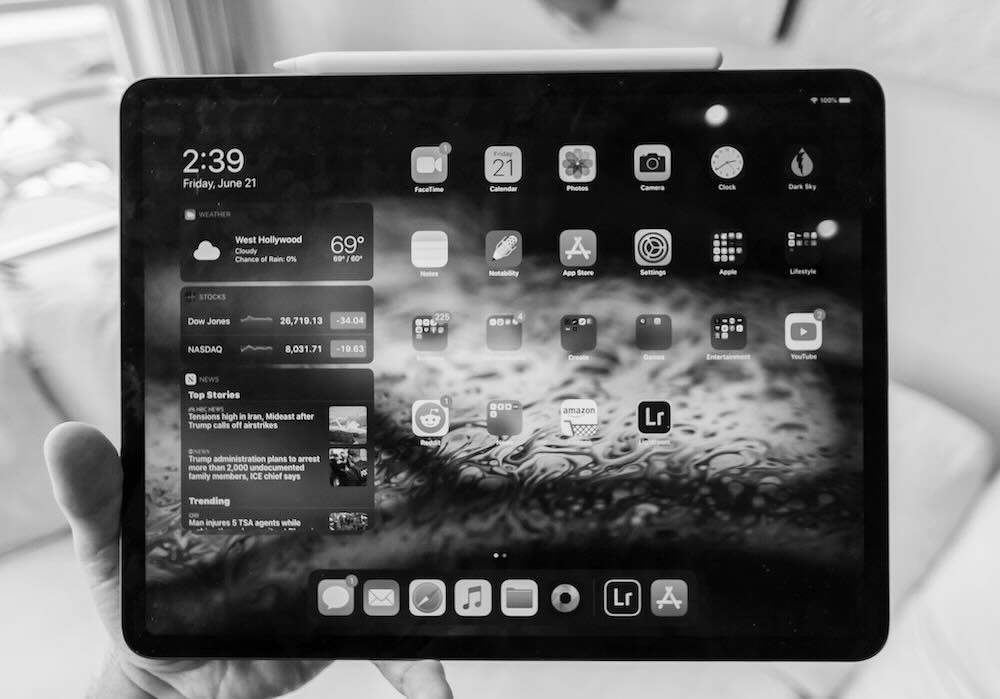
But lately, something unexpected has been happening.
Android tablets — once dismissed as inferior — are quietly evolving. And in a few key areas, they’re doing things that make even a long-time iPad user pause and think twice.
Let’s break down the Android features that are starting to look very tempting.
1. A True Desktop Experience (Not Just “Tablet Mode”)
Apple has made progress with multitasking and external display support, but iPadOS still feels like a tablet-first system trying to act like a computer.
Android, on the other hand, has taken a more direct route.
Features like desktop modes (including Samsung’s DeX) allow Android tablets to transform into a full desktop environment — complete with resizable windows, taskbars, and proper mouse support.
The result? A device that can realistically replace a laptop for many users.
With an iPad, you can work.
With Android, you can sometimes feel like you’re actually using a computer.
2. Freedom to Install Apps (Sideloading)
Apple’s App Store is curated, secure, and high quality — but it’s also restrictive.
On iPad, you’re limited to what Apple approves. Outside a few regions with regulatory changes, installing apps from outside the App Store is simply not allowed.
Android offers a completely different philosophy.
You can:
- Install apps from third-party stores
- Download APK files directly
- Experiment with niche or experimental software
This openness encourages innovation — and gives users far more control over their devices.
Of course, it comes with responsibility, but for power users, it’s a huge advantage.
3. Surprisingly Capable PC Gaming
Gaming on iPad has always felt… underutilized.
Despite having incredibly powerful chips, iPads are still largely limited to mobile games and a handful of high-profile ports.
Android is taking a different path.
With advancements in chipsets and drivers, Android tablets are beginning to run PC-level games — something that seemed unrealistic not long ago.
It’s still early days, but the direction is clear:
Android is moving toward becoming a portable gaming platform, not just a casual one.
4. Expandable Storage (Yes, It Still Exists)
Apple has never been a fan of expandable storage.
What you buy is what you live with — and upgrading storage can significantly increase the price.
Many Android tablets still include microSD card support, allowing users to expand storage easily and affordably.
That means:
- More flexibility
- Lower upfront cost
- No need to overpay for higher storage variants
For users dealing with large media files, this alone can be a deciding factor.
5. A More Open Philosophy Overall
At its core, this comparison isn’t just about features — it’s about philosophy.
Apple prioritizes:
- Control
- Consistency
- Security
Android prioritizes:
- Flexibility
- Customization
- User freedom
Neither approach is wrong. In fact, the iPad still dominates for most users thanks to its app quality and ecosystem.
But Android tablets are no longer just “cheap alternatives.” They’re becoming powerful, flexible devices that offer capabilities Apple simply doesn’t prioritize.
Final Thoughts: Is It Time to Switch?
The iPad is still an incredible device — arguably the best all-around tablet for most people.
But Android tablets are evolving in ways that challenge Apple’s limitations:
- Real desktop workflows
- Open app ecosystems
- Emerging gaming potential
- Expandable storage
For the first time in years, switching doesn’t feel like a downgrade.
It feels like a different kind of upgrade.